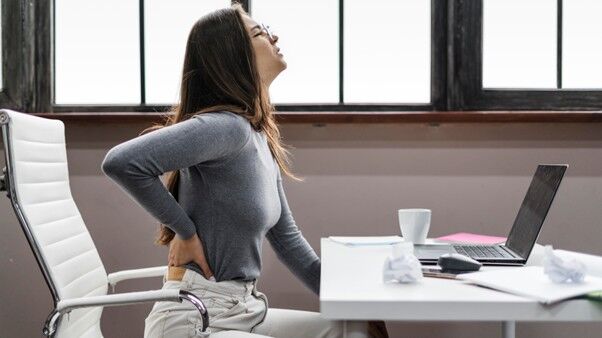
What is a Herniated Disc?
A herniated disc happens when the soft center of a spinal disc pushes out through a crack in the outer layer. This is sometimes called a slipped disc. The spine is made up of bones called vertebrae. Between these bones are discs that act like cushions. When a disc slips or breaks, it can press on nerves. This often leads to back pain or numbness. In this blog, we will look at herniated disc symptoms, ways to prevent herniated discs, and treatment for herniated discs.
Common Symptoms of Herniated Discs
Many people with a herniated disc feel pain in their back or neck. However, symptoms can vary. Sometimes, people do not notice any signs at all. But, for most, the following symptoms are common:
Sharp or burning pain in the back, neck, or legs
Numbness or tingling in the arms or legs
Weakness in muscles near the affected area
Pain that gets worse when moving, coughing, or sneezing
Difficulty standing or walking for long periods
For example, if the herniated disc is in the lower back, you may feel pain down your leg. This is sometimes called sciatica. If you notice these herniated disc symptoms, it is important to seek medical advice.
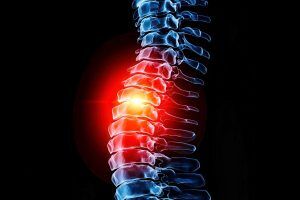
Prevention Tips for Herniated Discs
While not all cases can be avoided, you can take steps to lower your risk. Because spinal health is important, try these tips to help prevent herniated discs:
Keep a healthy weight to reduce stress on your spine
Exercise regularly to strengthen back and core muscles
Use proper lifting techniques—bend your knees, not your back
Maintain good posture when sitting or standing
Take breaks from sitting for long periods
Quit smoking, as it can weaken spinal discs
Additionally, staying active and stretching can help keep your spine flexible. If you work at a desk, make sure your chair supports your lower back. These small changes can make a big difference in preventing herniated discs.
Treatment Options for Herniated Discs
Treatment for herniated discs depends on how severe your symptoms are. In many cases, people get better with simple steps. However, some may need more advanced care. Here are common treatment options:
Rest and avoid activities that make pain worse
Use ice or heat packs to reduce pain and swelling
Take over-the-counter pain medicine, like ibuprofen
Try gentle stretching and physical therapy exercises
In some cases, doctors may suggest prescription medicine or injections
Surgery is rare but may be needed if other treatments do not help
For those seeking herniated disc treatment in your city, local orthopedic clinics can help. Always talk to a doctor before starting any new treatment. According to the CDC, most people recover without surgery. But, early care can speed up healing and prevent further problems.
In summary, herniated discs can cause pain and limit movement. But, with the right steps, you can manage symptoms and protect your spinal health. Consult Dr. Hardik Shah, MS (Orthopedic Surgeon) at Shreeji Orthopaedic & ENT Hospital for personalized advice on herniated disc management. The hospital is located on the 2nd floor, Veemurti Complex, above Asharfi Kulfi and Ekta Medical Store, opposite Oxford Tower, Gurukul Road, Ahmedabad – 380052. Consulting hours are from 11 am to 1 pm in the morning and 6 pm to 8 pm in the evening, and the hospital is open 24 hours for emergencies. You can reach Dr. Shah directly at 9825060127.
