Intraarticular Fractures of Major Joints
Overview
An intraarticular fracture is a fracture that crosses a joint surface. Such fractures also involve some cartilage damage. Fractures to joints are more complicated to treat and heal than simple fractures, as multiple bones are involved. Bone fragments inside the damaged joint may impede healing time and efficacy. Often, ligaments are torn or separated from the joint surfaces as well, also impeding the healing process.
Common areas of intraarticular fracture include the:
- Shoulder – may involve the humerus, scapula and acromion and coracoid processes, as well as the glenoid and articular cartilage
- Hip – – may involve some portion of the pelvis and the upper neck or head of the femur, as well as the hip’s articular cartilage
- Elbow – may involve the lower end of the humerus, the upper end of the radius and the ulnar collateral ligament as well as cartilage between the bones
- Wrist – may involve the lower ends of the radius and the ulna, and the carpal bones, as well as cartilage found between each of the small bones of the carpals
- Knee – may involve the lower end of the femur, the patella or knee cap, and the upper ends of the tibia and/or fibula as well as articular cartilage and collateral ligaments
- Ankle – may involve the lower end of the tibia or fibula, the subtalar joint and the articular cartilage and the anterior tibiofibular and lateral collateral ligaments
Causes
- Blunt force trauma
- Automobile accidents
Symptoms
- Pain
- Limited use or range of motion
- Weakness
- Swelling
- Bruising
Diagnosis
- Visual observation
- X-rays
- CT scans
- MRI
Treatment
Immobilization is the first step toward stabilizing the joint. Following imaging, the doctor will attempt to realign bones in their proper place. If torn ligaments are observed, or bones have been shattered or pieces badly damaged, surgery will be required for proper reconstruction of the affected joint.
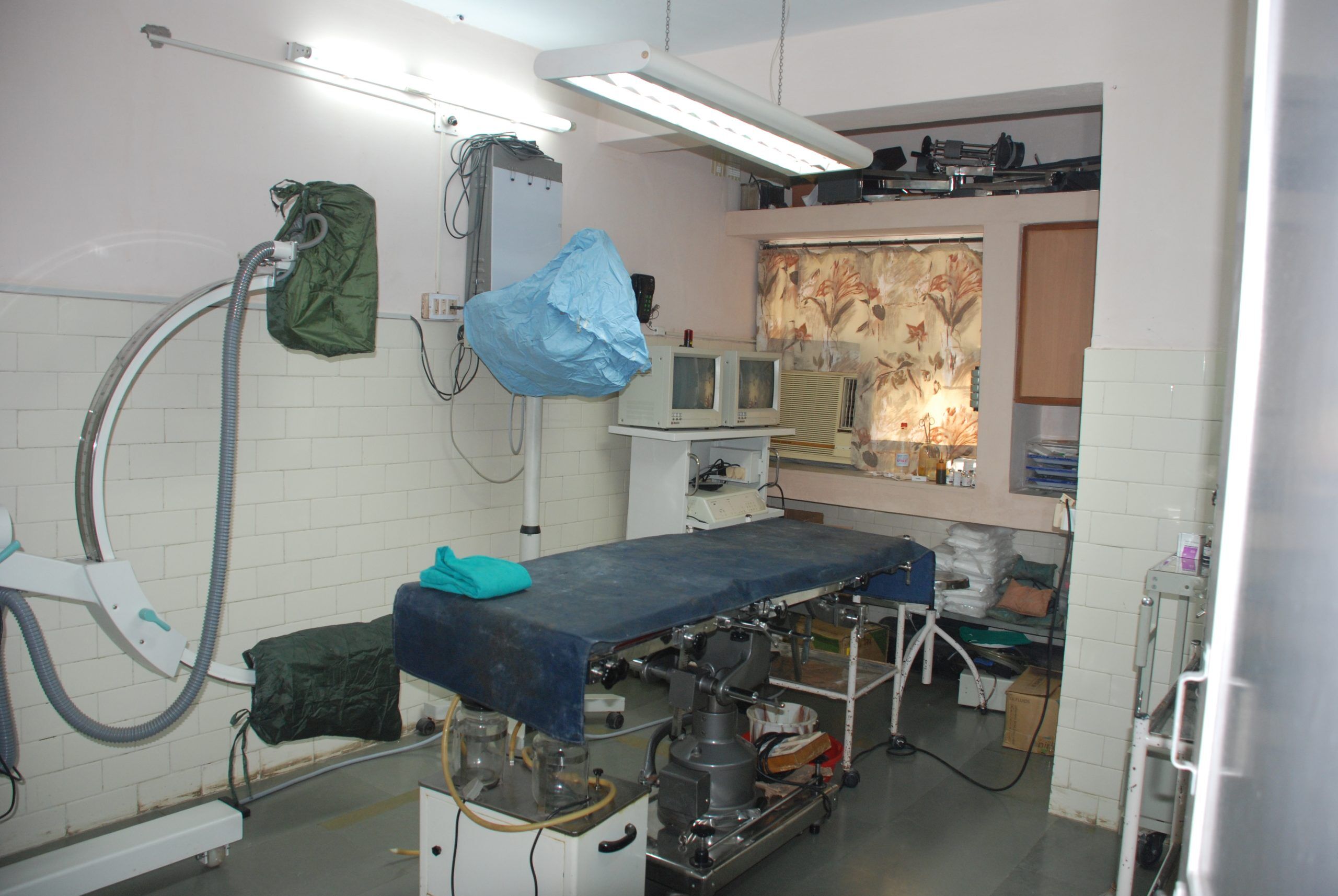
Surgery Operation
In some cases, and depending on area and severity of fracture as well as tendons, ligaments, muscles and bones involved at the fracture site, surgery may be recommended in order to attempt the reconnection of bones, ligaments and tendons.
Minimally invasive closed-reduction surgery will be attempted through arthroscopically assisted surgery, or the surgeon may opt for open-reduction fixation surgery.
-
- Surgical Goal: The primary objective is to restore articular congruity (smooth joint surfaces) and stability.
- Common Techniques:
-
- Open Reduction Internal Fixation (ORIF): Standard treatment using screws and locking plates to stabilize fragments, such as in distal radius fractures.
- Arthroscopy: Used in some cases (e.g., wrist malunion) for minimally invasive visualization and reduction.
- External Fixation: Used for complex fractures to hold bone fragments together.
-
- Commonly Affected Joints:
-
- Distal Radius (Wrist): Frequently requires volar locking plates, especially in comminuted cases.
- Knee (Tibial Plateau): Often involves complex, multi-fragment reconstruction.
- Ankle and Hip: Require stable fixation due to weight-bearing roles.
-
- Recovery and Rehabilitation:
-
- Early rehabilitation is critical for regaining joint mobility, though weight-bearing is usually restricted initially.
- Physiotherapy plays a key role in reducing long-term dysfunction.
-
- Post-traumatic Arthritis: A major complication arising from even slight persistent misalignment.
- Blood Supply: Care must be taken to minimize disruption to the blood supply of bone fragments to ensure healing.
- Fixation Failure: Poor bone quality or comminuted fractures can lead to collapse even after fixation.
Dr Hardik Shah at shreeji orthopaedic Hospital near Gurukul road, Memnagar, Vastrapur, Thaltej, Shilaj, Science city in Ahmedabad provides best treatment for complex and intraarticular joint fracture with and without surgery 24 hours a day in emergency.
