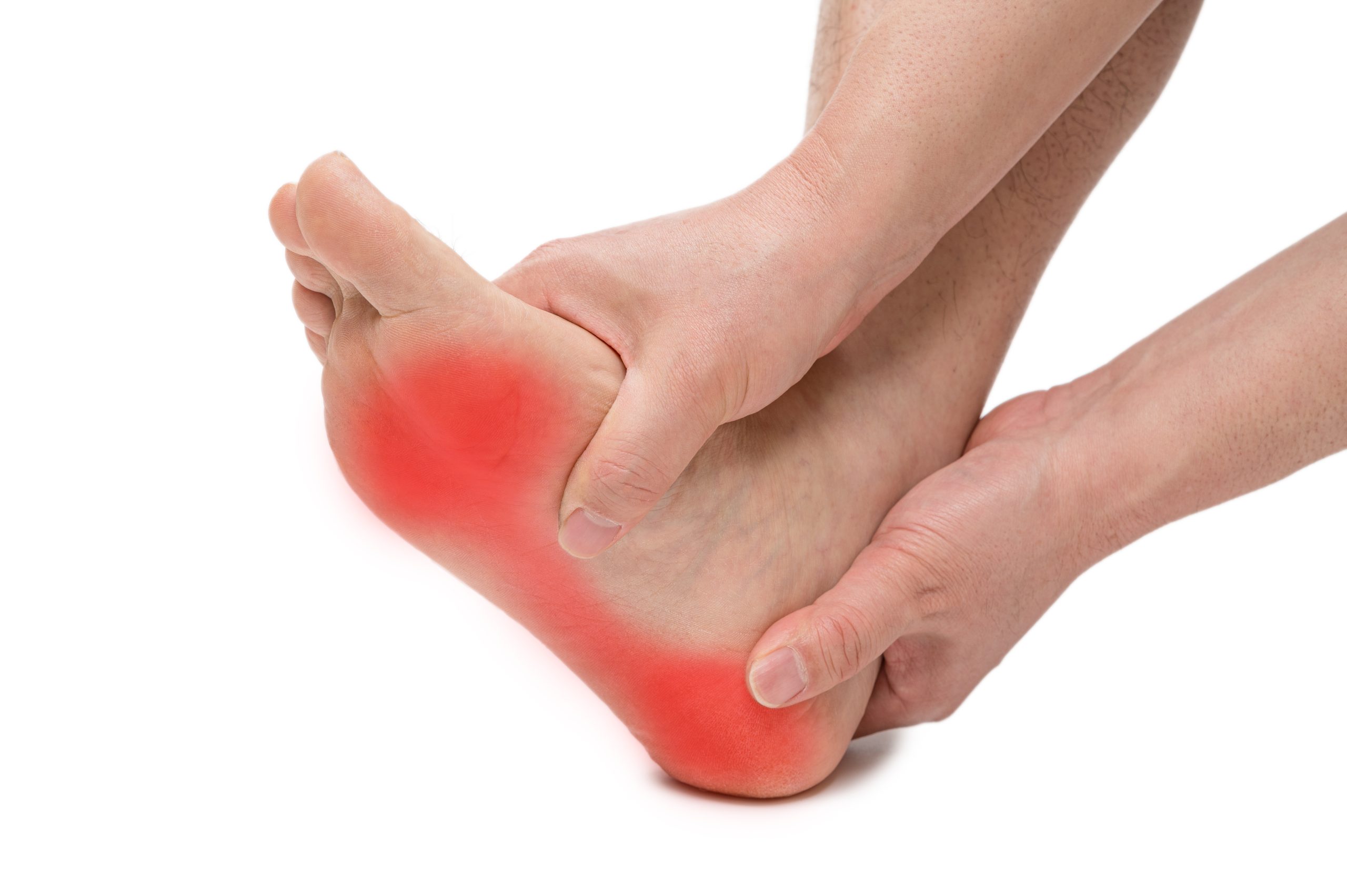
What Is Plantar Fasciitis?
Plantar fasciitis is a common cause of heel pain. It happens when the thick band of tissue at the bottom of your foot, called the plantar fascia, becomes inflamed. This condition can make walking or standing painful. For many people, plantar fasciitis affects daily life and limits activity. However, with the right care, most people recover well.

Common Causes and Risk Factors
Many things can lead to plantar fasciitis. Often, it develops without a clear reason. Still, certain factors can increase your risk. For example, people who spend long hours on their feet are more likely to get it. In addition, some activities or habits can make it worse.
Standing or walking for long periods
Wearing shoes with poor support
Having flat feet or high arches
Being overweight
Sudden increase in physical activity
Age (more common in people aged 40-60)
Because these factors add stress to your feet, they can cause tiny tears in the plantar fascia. Over time, this leads to pain and swelling.
Typical Symptoms and Warning Signs
Plantar fasciitis often starts with pain under the heel. Usually, the pain is sharp and worse in the morning. After a few steps, it may get better. However, standing for a long time or getting up after sitting can make the pain return. Sometimes, the pain spreads along the bottom of the foot.
Sharp heel pain, especially with first steps in the morning
Pain after long periods of rest
Swelling or tenderness in the heel
Stiffness in the foot
Because these symptoms can affect daily life, it is important to pay attention to them.
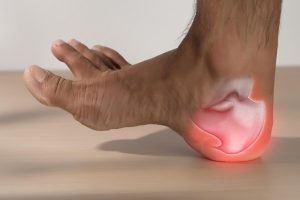
How Is Plantar Fasciitis Diagnosed?
Doctors usually diagnose plantar fasciitis by asking about your symptoms and examining your foot. Often, no special tests are needed. However, sometimes doctors use imaging to rule out other causes of heel pain.
Physical exam: The doctor checks for tenderness and swelling.
Medical history: You may be asked about your activities and shoes.
X-rays: These can show bone problems or heel spurs.
Ultrasound or MRI: These tests help if the diagnosis is unclear.
Because other conditions can cause heel pain, a proper diagnosis is important.
Effective Treatment Options
Most people with plantar fasciitis get better with simple treatments. In fact, surgery is rarely needed. Early care can help you heal faster and avoid long-term problems.
Conservative Treatments
Rest your foot and avoid activities that cause pain
Apply ice to the heel for 15-20 minutes, several times a day
Use over-the-counter pain relievers like ibuprofen
Wear shoes with good arch support and cushioning
Try heel pads or orthotic inserts
Do gentle stretching exercises for the foot and calf
Medical Treatments
- Over-the-counter NSAIDs: NSAIDs (like aspirin, ibuprofen and naproxen) reduce pain and inflammation. Don’t take NSAIDs for more than 10 days in a row without talking to your doctor – Dr. Hardik Shah.
- Rest: Take a break from playing sports or participating in the activity that caused the plantar fasciitis for at least a week (if possible).
- Icing your foot: Ice your foot for 10 to 15 minutes, twice a day. Cover a frozen water bottle in a thin towel to protect your skin, then roll it along the bottom of your foot to massage the inflammation.
- Wearing supportive shoes: Wear sturdy, well-cushioned shoes. Don’t wear sandals, flip-flops or other flat shoes without built-in arch support. Don’t walk with bare feet.
- Orthotics or shoe inserts: You can add inserts into your shoes that add extra arch support. Your provider will suggest either pre-made inserts you can buy over-the-counter or custom-made orthotics that are molded to the exact shape of your foot.
- Immobilization: Wearing a walking boot (sometimes called a walking cast or a pneumatic cam walker) for a few weeks will hold your foot in place and take pressure off your plantar fascia. Your provider will tell you how long you’ll need to wear a boot.
- Massaging and stretching: Your provider or a physical therapist will show you stretching techniques you can perform on your foot and calf muscles.
- Corticosteroids: Corticosteroids are anti-inflammatory medicines. Your provider might inject a corticosteroid (like prednisone) into your plantar fascia.
- Platelet rich plasma (PRP): PRP is usually injected to heal and repair injuries.
- Extracorporeal pulse activation technology (EPAT): EPAT is a form of shockwave therapy. Your provider will apply concentrated acoustic waves (sound waves) to increase blood flow to your plantar fascia. This encourages it to heal faster.
- Percutaneous needle tenotomy: During a percutaneous Tenotomy, Dr. Hardik Shah will poke a needle through your skin into your plantar fascia. Your body sends more blood than usual to the area, which will stimulate your plantar fascia’s ability to repair itself.
Surgical Options
Surgery is only considered if other treatments fail after 6-12 months. The procedure may release part of the plantar fascia. However, most people recover without surgery.
Home Care and Lifestyle Tips for Relief
There are many ways to relieve plantar fasciitis at home. For example, you can:
Rest your feet whenever possible
Use ice packs to reduce swelling
Wear supportive shoes, even at home
Do daily stretches for your feet and calves
Maintain a healthy weight to reduce pressure on your feet
Because small changes can make a big difference, try to follow these tips every day.
Prevention Strategies
Although plantar fasciitis can be hard to prevent, some steps may lower your risk. For instance, you can:
Choose shoes with good arch support and cushioning
Replace worn-out shoes regularly
Warm up before exercise and stretch afterward
Increase activity levels slowly
Avoid walking barefoot on hard surfaces
Because prevention is easier than treatment, these habits can help keep your feet healthy.
When to See an Orthopedic Specialist
Most cases of plantar fasciitis improve with home care. However, you should see an orthopedic specialist if:
Pain lasts more than a few weeks
Pain is severe or getting worse
You have trouble walking or standing
Home treatments do not help
Because early treatment can prevent long-term problems, do not wait to seek help if your symptoms persist.
Conclusion
Plantar fasciitis is a common cause of heel pain. With early care and the right steps, most people recover fully. However, if your pain does not improve, consult an orthopedic specialist for personalized advice on plantar fasciitis. Heel pain slowing you down? Don’t ignore plantar fasciitis. Consult Dr. Hardik Shah, MS (Orthopedic Surgeon) at Shreeji Orthopaedic & ENT Hospital for expert diagnosis and personalized treatment. The hospital is located on the 2nd floor, Veemurti Complex, above Asharfi Kulfi and Ekta Medical Store, opposite Oxford Tower, Gurukul Road, Ahmedabad – 380052. Consulting hours are from 11 am to 1 pm in the morning and 6 pm to 8 pm in the evening, and the hospital is open 24 hours for emergencies. You can reachdirectly at 9825060127.