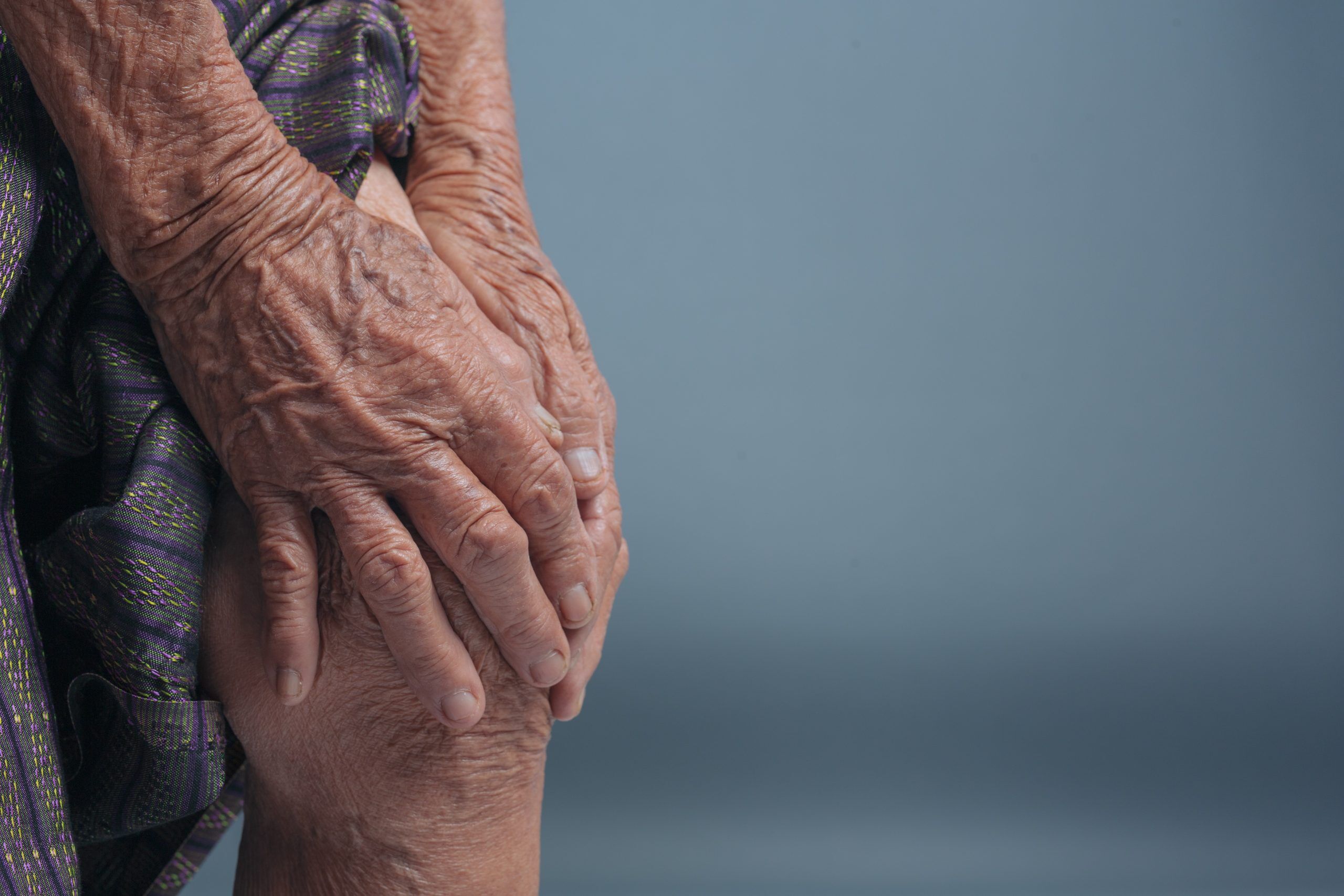
Introduction to Osteoarthritis
Osteoarthritis is a common joint condition that affects millions of people worldwide. In fact, it is the most frequent type of arthritis. This condition happens when the protective cartilage in your joints wears down over time. As a result, bones may rub against each other, causing pain and stiffness. Although osteoarthritis can affect any joint, it often targets the knees, hips, hands, and spine. Because it develops slowly, many people may not notice symptoms right away. However, early recognition and care can help manage osteoarthritis pain and improve quality of life.
Common Symptoms of Osteoarthritis
Recognizing osteoarthritis symptoms early can make a big difference. While symptoms may vary, most people experience:
Joint pain: Pain often worsens with movement or at the end of the day.
Stiffness: Joints may feel stiff, especially after resting or waking up.
Swelling: Some joints may look puffy or feel tender.
Reduced flexibility: It may become hard to move the joint fully.
Grating sensation: You might feel or hear a crackling sound when moving the joint.
Sometimes, symptoms can come and go. But over time, they may get worse. Therefore, it is important to pay attention to any changes in your joints.
Causes and Risk Factors
Osteoarthritis develops when the cartilage that cushions your joints breaks down. Although aging is a major cause, other factors can increase your risk. For example, previous joint injuries or repeated stress on a joint can lead to osteoarthritis. In addition, being overweight puts extra pressure on your joints, especially the knees and hips. Family history also plays a role. If your parents or siblings have osteoarthritis, you may be more likely to develop it. Other risk factors include:
Older age
Female gender
Joint deformities
Certain jobs that stress joints
Other diseases, such as diabetes
Because these factors can add up, it is helpful to know your risks and take steps to protect your joints.
How Osteoarthritis is Diagnosed
Doctors use several methods to diagnose osteoarthritis. First, they will ask about your symptoms and medical history. Next, they will examine your joints for swelling, tenderness, or reduced movement. In many cases, doctors may order X-rays to look for joint damage or bone changes. Sometimes, an MRI can provide more detail, especially if the diagnosis is unclear. Blood tests are not used to diagnose osteoarthritis, but they can help rule out other types of arthritis. Because early diagnosis leads to better outcomes, you should see a doctor if you notice joint pain or stiffness that does not improve.
Treatment Options for Osteoarthritis
There are many osteoarthritis treatment options available. The right plan depends on your symptoms and lifestyle. Most treatments aim to reduce pain and improve joint function. Common options include:
Medications: Pain relievers like acetaminophen or nonsteroidal anti-inflammatory drugs (NSAIDs).
Physical therapy: Exercises to strengthen muscles and improve movement.
Assistive devices: Braces, canes, or shoe inserts to support joints.
Injections: Corticosteroid or hyaluronic acid shots to reduce pain.
Surgery: Joint replacement or repair for severe cases. TKR and THR – Total Knee Replacement & Total Hip Replacement surgery is the best option in elderly patients.
Because each person is different, your doctor will help you choose the best osteoarthritis treatment options for your needs.
Lifestyle Tips for Managing Osteoarthritis
Managing osteoarthritis pain often involves simple lifestyle changes. For example, staying active helps keep joints flexible and muscles strong. However, it is important to choose low-impact activities like walking, swimming, or cycling. In addition, maintaining a healthy weight reduces stress on your joints. Eating a balanced diet with plenty of fruits, vegetables, and whole grains can also help. Other helpful tips include:
Using heat or cold packs to ease pain
Practicing gentle stretching or yoga
Wearing supportive shoes
Taking breaks during repetitive tasks
Because small changes can add up, try to make these habits part of your daily routine.
Prevention Strategies
While you cannot always prevent osteoarthritis, certain steps may lower your risk. For instance, protecting your joints from injury is important. If you play sports, always use proper gear and warm up before activity. In addition, keeping a healthy weight reduces pressure on your joints. Staying active and building strong muscles around your joints can also help. Other prevention tips include:
Choosing low-impact exercises
Avoiding repetitive joint stress
Eating a balanced diet rich in vitamins and minerals
Because prevention is easier than treatment, start these habits early in life.
When to See an Orthopedic Specialist
Sometimes, home care is not enough. If you have joint pain that lasts more than a few weeks, see a doctor. Also, if you notice swelling, redness, or trouble moving a joint, it is time to seek help. An orthopedic specialist can offer advanced osteoarthritis diagnosis and treatment options. In some areas, you may find clinics that focus on joint care and pain management. Early treatment can help you stay active and reduce long-term problems.
Consult Dr. Hardik Shah, MS (Orthopedic Surgeon) at Shreeji Orthopaedic & ENT Hospital for expert diagnosis and personalized treatment. Best treatment for knee pain, hip joint pain, age related joint pains and arthritis, joint replacement surgery available in gurukul road, ghatlodiya, satellite, bodakdev, memnagar, vastrapur, ranip, shilaj, hebatpur, bhuyangdev, bopal, shastrinagar, drive in road area, surdhara, satadhar areas of Ahmedabad by Dr. Hardik shah, senior orthopaedic surgeon at shreeji orthopaedic & ENT Hospital.
The hospital is located on the 2nd floor, Veemurti Complex, above Asharfi Kulfi and Ekta Medical Store, opposite Oxford Tower, Gurukul Road, Ahmedabad – 380052.
Consulting hours are from 11 am to 1 pm in the morning and 6 pm to 8 pm in the evening, and the hospital is open 24 hours for emergencies.
You can reach directly at 9825060127.
