Introduction
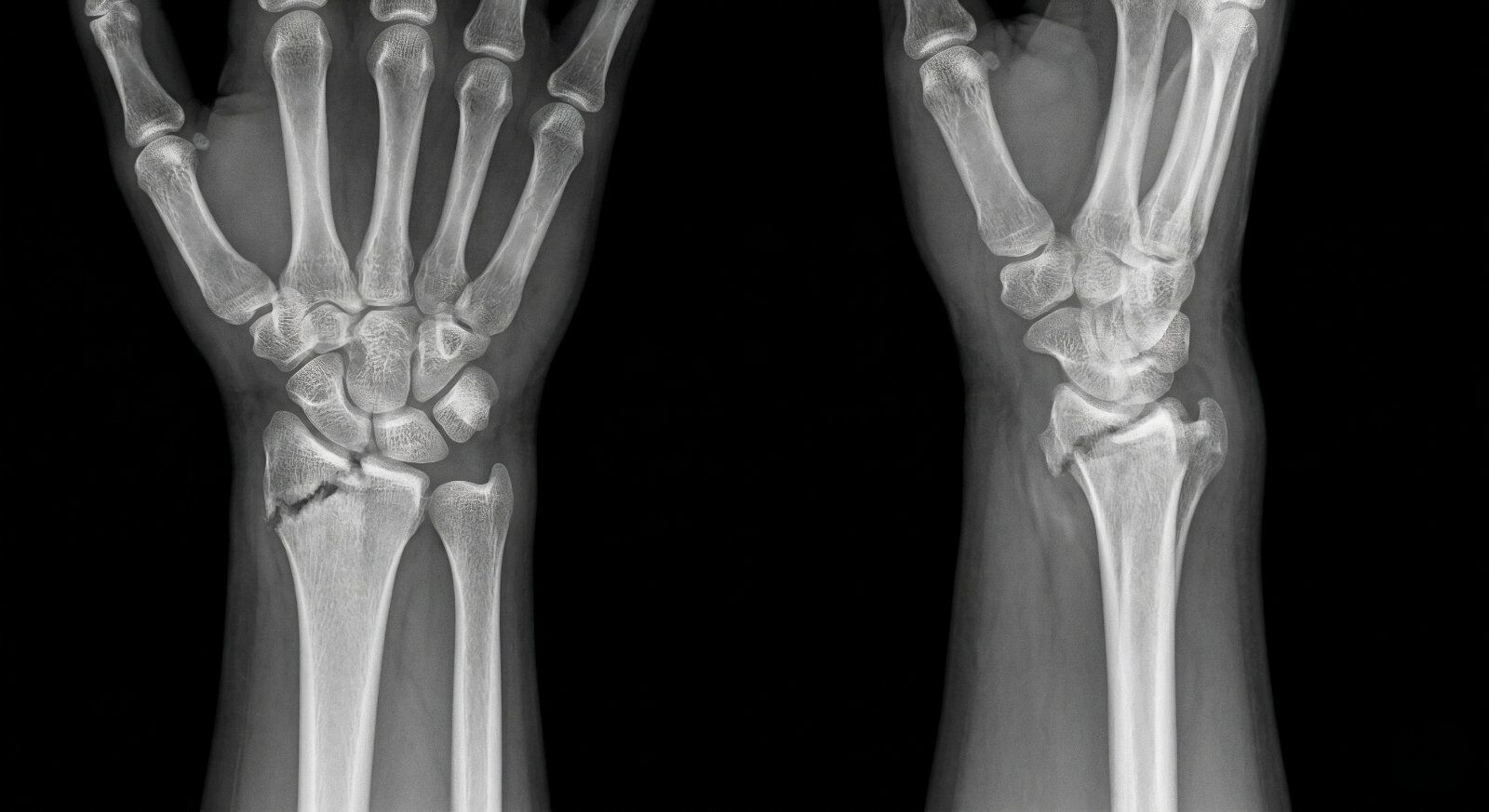
A lower end radius and wrist fracture is a break near the wrist in the larger of the two forearm bones. This injury is commonly known as a Colles’ fracture, especially when the break happens after a fall on an outstretched hand. Because the wrist is used in many daily tasks, understanding a Colles’ fracture and wrist fracture is important. Early treatment helps prevent long-term problems. Knowing the signs and treatment options can help you recover faster from a wrist fracture.
Causes of Lower End Radius and Wrist Fracture
Most often, this Colles’ fracture happens after a fall. However, other causes can also lead to a wrist fracture. Here are some common reasons:
- Falling onto an outstretched hand (most common cause of Colles’ fracture)
- Sports injuries, especially in contact sports
- Car or bike accidents
- Direct blows to the wrist
- Weak bones due to osteoporosis
As you can see, both young and older adults can be affected by a wrist fracture. Children may also get these fractures while playing.
Symptoms of a Wrist Fracture
After a Colles’ fracture or wrist injury, you may notice several symptoms. These signs help you identify a wrist fracture early. Common symptoms include:
- Pain in the wrist, especially when moving it
- Swelling around the wrist or hand
- Bruising or discoloration
- Visible deformity (common in Colles’ fracture)
- Difficulty moving fingers or wrist
- Numbness or tingling in the hand
If you notice these signs of a wrist fracture, it is important to seek medical help quickly.
Diagnosis of Lower End Radius and Wrist Fracture
Doctors confirm a Colles’ fracture or wrist fracture using clinical examination and imaging tests. After assessing symptoms of a wrist fracture, they may recommend:
- X-rays: to identify a Colles’ fracture clearly
- CT scans: for complex wrist fracture patterns
- MRI scans: to check soft tissue involvement
These tests help determine the severity of the wrist fracture and guide treatment.
Treatment Options for Wrist Fracture
Treatment of a Colles’ fracture depends on severity. In most cases, a wrist fracture heals with proper care. Treatment options include:
- Immobilization with cast or splint for a wrist fracture
- Pain management and swelling control
- Closed reduction for Colles’ fracture alignment
- Surgery for severe or displaced wrist fracture cases
A Colles’ fracture may require surgery if bones are misaligned.
The Role of Physiotherapy and Recovery
After a wrist fracture or Colles’ fracture begins healing, physiotherapy becomes essential. It helps restore full function after a wrist fracture.
Physiotherapy benefits:
- Improves movement after a Colles’ fracture
- Reduces stiffness in wrist fracture recovery
- Restores grip strength
- Prevents long-term disability from wrist fracture
Prevention Tips for Wrist Fractures
To reduce risk of a Colles fracture or wrist fracture:
- Prevent falls
- Use protective gear in sports
- Maintain bone strength
- Improve balance and strength
Conclusion
In summary, a Colles fracture or wrist fracture is a common injury that needs timely care. Early diagnosis and treatment of a wrist fracture ensure better recovery and function.
If you suspect a Colles fracture after a wrist injury, consult Dr. Hardik Shah, Senior Orthopaedic Surgeon, for expert evaluation and personalized care. Dr Hardik shah is an expert fracture and trauma surgeon for this type of injury, sprain and fracture in gurukul road, ghatlodiya, satellite, bodakdev, memnagar, vastrapur, ranip, shilaj, hebatpur, bhuyangdev, bopal, shastrinagar, drive in road area, surdhara, satadhar areas of Ahmedabad.
Book your consultation at Shreeji Ortho & ENT Hospital, Gurukul Road, Ahmedabad and recover safely from wrist fracture injuries.
Book your consultation at Shreeji Ortho & ENT Hospital, Gurukul Road, Ahmedabad with Dr. Hardik Shah – Orthopaedic Surgeon | Arthritis Treatment, Joint Replacement & Trauma Specialist | Ahmedabad today and walk pain-free.
Dr. Hardik Shah, MS ( Ortho Surgeon )
Phone – 079-27479053, 079-40099053
Consulting hours – Morning 11-1,
Evening 6-8 pm
24 Hours Available for emergency
