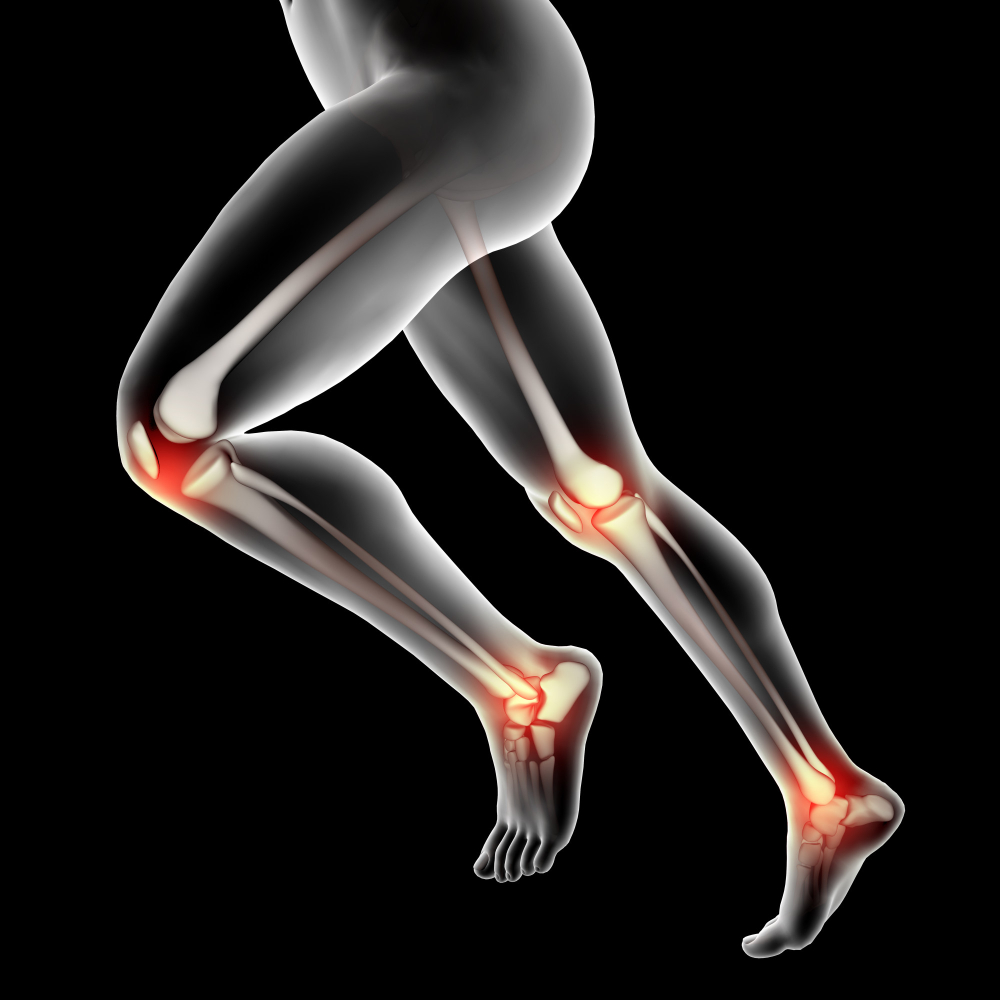
What Is Joint Stiffness?
Joint stiffness means you have trouble moving a joint, like your knee or elbow. Often, it feels tight or hard to bend. Sometimes, you may notice pain or swelling too. For many people, joint stiffness is worse in the morning or after resting. While it can be mild and go away quickly, it may also last longer and affect daily life. Because joint stiffness can signal a bigger problem, it is important to know when to seek orthopedic care.
Common Causes of Joint Stiffness
Many things can cause joint stiffness. Some causes are simple, while others need medical help. For example, you might feel stiff after sitting for a long time. However, ongoing stiffness can mean something more serious. Here are some common causes:
- Arthritis: This is swelling in the joints. Osteoarthritis and rheumatoid arthritis are common types.
- Injury: Sprains, strains, or fractures can make joints stiff.
- Overuse: Repeating the same movement can stress a joint.
- Infection: Sometimes, germs can get into a joint and cause swelling.
- Age: As we get older, joints can become less flexible.
Because many causes exist, it is wise to watch for other symptoms too.
Symptoms That Need Medical Attention
Although mild joint stiffness is common, some signs mean you should see a doctor. Early diagnosis can help prevent more damage. Look for these warning signs:
- Stiffness that lasts more than a week
- Severe pain or swelling in the joint
- Redness or warmth around the joint
- Fever along with joint pain
- Loss of movement or trouble using the joint
- Joint looks deformed or out of place
If you notice any of these, seek orthopedic care right away.
How Orthopedic Specialists Diagnose Joint Stiffness
Orthopedic specialists are doctors who treat bone and joint problems. First, they will ask about your symptoms and health history. Next, they will examine your joint to check for swelling, warmth, or movement problems. Sometimes, they may order tests such as:
- X-rays: These show the bones and joint spaces.
- Blood tests: These can find signs of infection or inflammation.
- MRI or ultrasound: These give a closer look at soft tissues like ligaments and cartilage.
Because early diagnosis is important, seeing a specialist can help you get the right treatment.
Treatment Options for Joint Stiffness
Treatment depends on the cause of your joint stiffness. For mild cases, rest and gentle movement may help. However, if the problem is more serious, your doctor may suggest:
- Medications: Pain relievers or anti-inflammatory drugs can reduce swelling and pain.
- Physical therapy: Exercises can improve strength and flexibility.
- Injections: Sometimes, doctors inject medicine directly into the joint.
- Surgery: In rare cases, surgery may be needed to repair or replace a joint.
Because each person is different, your treatment plan will be made just for you.
Tips for Managing and Preventing Joint Stiffness at Home
While some causes need medical care, you can try these tips at home to help manage or prevent joint stiffness:
- Stay active with gentle exercises like walking or swimming
- Stretch daily to keep joints flexible
- Use heat or cold packs to ease discomfort
- Maintain a healthy weight to reduce stress on joints
- Eat a balanced diet rich in vitamins and minerals
- Take breaks from long periods of sitting or standing
However, if your symptoms do not improve, it is best to see a doctor.
When to Seek Orthopedic Care: Warning Signs
Sometimes, joint stiffness is a sign of a serious problem. You should seek orthopedic care if you notice:
- Stiffness that gets worse over time
- Joint pain that limits your daily activities
- Sudden swelling, redness, or warmth in the joint
- Fever or chills with joint pain
- Joint injury with severe pain or loss of movement
Because early treatment can prevent lasting damage, do not wait to get help.
Conclusion
Joint stiffness can affect your daily life, but help is available. If you experience persistent joint stiffness, .Get expert diagnosis and personalized treatment with Dr. Hardik Shah, senior Orthopaedic Surgeon.
Book your consultation at Shreeji Ortho & ENT Hospital, Gurukul Road, Ahmedabad today and walk pain-free.
Shreeji orthopaedic & ENT Hospital, 2nd floor, Veemurti Complex, Above Asharfi Kulfi, Above Ekta Medical store, Opp. Oxford Tower, Gurukul Road, Ahmedabad -380052
Consulting hours –
Morning 11-1,
Evening 6-8
24 Hours open for emergency
Dr. Hardik Shah, MS ( Ortho Surgeon )
Mob. 9825060127