JOINT STIFFNESS: WHEN SHOULD YOU SEEK ORTHOPAEDIC CARE?
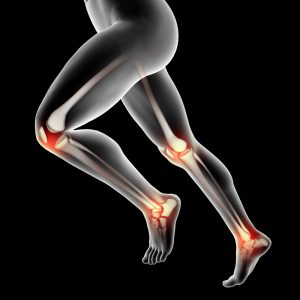
Joint stiffness is common, especially after prolonged sitting, physical activity or with increasing age. However, persistent stiffness, pain, swelling or reduced movement can sometimes indicate arthritis, an injury or another joint condition that needs medical evaluation.
At Shreeji Orthopaedic & ENT Hospital, Gurukul Road, Memnagar, Ahmedabad, Dr. Hardik J. Shah and the orthopaedic team provide evaluation and treatment for a wide range of bone, joint, arthritis and orthopaedic conditions.
What Is Joint Stiffness?
Joint stiffness means difficulty or discomfort when moving a joint through its normal range of motion. You may feel tightness when bending or straightening the knee, elbow, shoulder, hip, wrist or another joint.
Joint stiffness may occur with:
- Pain or discomfort
- Swelling
- Reduced flexibility
- Difficulty bending or straightening the joint
- Stiffness after waking up or after prolonged rest
- Difficulty performing everyday activities
Occasional stiffness that improves after gentle movement may not be serious. However, stiffness that persists, becomes worse or is associated with significant pain or swelling should be evaluated by an orthopaedic specialist.
What Causes Joint Stiffness?
There are many possible causes of joint stiffness. Some are temporary, while others may require medical treatment.
Arthritis
Osteoarthritis can cause pain, stiffness and reduced movement, particularly in the knees, hips, hands and other weight-bearing or frequently used joints.
Other forms of arthritis, including rheumatoid arthritis, can also cause joint stiffness, swelling and pain.
Previous Injury or Fracture
A previous fracture, ligament injury, sprain, dislocation or joint injury can sometimes result in stiffness during recovery or after the injury has healed.
Prolonged Inactivity
Sitting or staying in one position for a long period can temporarily make joints feel stiff. Regular, appropriate movement can help maintain joint flexibility.
Overuse and Repetitive Activity
Repeated movements, excessive physical activity or sports-related stress can affect muscles, tendons and joints and may contribute to pain and stiffness.
Joint Inflammation or Infection
Inflammation inside or around a joint can cause stiffness and swelling. A suddenly painful, hot, swollen joint, particularly when associated with fever, requires prompt medical assessment because joint infection can be a serious condition.
Age-Related Changes
Joint flexibility can decrease with age, and degenerative changes such as osteoarthritis become more common. However, persistent joint stiffness should not automatically be considered a normal part of ageing.
When Is Joint Stiffness a Warning Sign?
Not every stiff joint requires immediate medical attention. However, you should consider seeing an orthopaedic doctor if:
- Joint stiffness continues or repeatedly returns
- Pain is interfering with walking, working or daily activities
- You have persistent swelling
- The joint movement is becoming increasingly restricted
- You experience recurrent stiffness in the same joint
- Symptoms develop after a fracture, fall, sports injury or other trauma
- You have difficulty putting weight on the affected leg
- The joint feels unstable or gives way
Seek urgent medical attention if:
- A joint suddenly becomes severely painful and swollen
- The joint is red or unusually warm
- Joint pain is accompanied by fever or chills
- You cannot move the joint normally after an injury
- There is an obvious deformity
- You are unable to bear weight after a significant injury
Early assessment can help identify the cause and determine whether treatment, physiotherapy, medication or further investigation is required.
Which Joints Can Become Stiff?
Joint stiffness can affect almost any joint in the body, including:
- Knee stiffness
- Hip stiffness
- Shoulder stiffness
- Elbow stiffness
- Wrist and hand stiffness
- Ankle and foot stiffness
- Spinal stiffness
The cause and appropriate treatment can vary depending on the joint involved.
How Is Joint Stiffness Diagnosed?
An orthopaedic specialist will usually begin with a detailed medical history and physical examination.
The doctor may assess:
- Duration and pattern of stiffness
- Pain and swelling
- Previous injuries or surgery
- Range of movement
- Joint stability
- Muscle strength
- Walking pattern and functional limitations
Depending on the suspected cause, investigations may include:
X-Ray
X-rays can help identify fractures, osteoarthritis, changes in joint space and other bone-related abnormalities.
Blood Tests
Blood tests may sometimes be recommended when inflammatory arthritis, infection or another systemic condition is suspected.
Ultrasound or MRI
These investigations can provide information about tendons, ligaments, cartilage and other soft tissues when clinically appropriate.
Not every patient with joint stiffness needs every test. The choice of investigation depends on the symptoms and clinical examination.
Treatment for Joint Stiffness
Treatment depends on the underlying cause, severity of symptoms, affected joint and overall health of the patient.
Depending on the diagnosis, treatment may include:
Activity Modification
Temporary modification of activities that aggravate symptoms may allow an injured or inflamed joint to recover.
Exercise and Physiotherapy
Appropriate stretching, strengthening and range-of-motion exercises can help improve joint mobility, muscle strength and function.
Medicines
Depending on the condition, a doctor may recommend medicines to control pain or inflammation. These should be taken only as advised by a qualified medical professional.
Injections
In selected patients, injections may be considered for certain joint conditions. The type of injection and its suitability depend on the individual diagnosis.
Treatment of the Underlying Condition
If stiffness is caused by arthritis, a fracture, ligament injury or another orthopaedic condition, treating the underlying problem is an important part of improving joint movement.
Surgery
Surgery may be considered when there is significant structural damage or when appropriate non-surgical treatment has not provided sufficient improvement.
Depending on the condition, orthopaedic procedures may include arthroscopy, fracture fixation or joint replacement surgery.
Can Joint Stiffness Be Prevented?
Not every cause of joint stiffness can be prevented, but maintaining healthy habits can help protect joint function.
Helpful measures include:
- Stay physically active with appropriate exercise
- Maintain a healthy body weight
- Avoid prolonged periods of inactivity
- Take regular breaks when sitting for long periods
- Maintain good posture during work and daily activities
- Follow appropriate exercises after an injury or surgery
- Use proper technique during sports and physical activities
- Seek medical advice for persistent joint pain or stiffness
Exercise should be appropriate for your age, health and medical condition. If you have significant pain or an existing joint problem, consult a healthcare professional before starting a new exercise programme.
Joint Stiffness and Arthritis
One of the common reasons for persistent joint stiffness is arthritis, particularly osteoarthritis.
Osteoarthritis can affect the cartilage and other structures within a joint and may cause:
- Joint pain
- Stiffness
- Reduced movement
- Swelling
- Difficulty walking or climbing stairs
- Difficulty performing everyday activities
Knee and hip osteoarthritis can become particularly troublesome when pain and stiffness begin to interfere with daily life.
An orthopaedic assessment can help determine the severity of the problem and whether treatment should focus on lifestyle changes, medicines, physiotherapy, injections or surgical options.
When Should You See an Orthopaedic Specialist?
You should consider an orthopaedic consultation if your joint stiffness:
• Persists or repeatedly returns
• Is associated with increasing pain
• Limits walking or other daily activities
• Develops after an injury or fracture
• Is associated with swelling or reduced movement
• Is gradually becoming worse
For sudden severe pain, significant trauma, deformity, inability to bear weight, or a hot swollen joint with fever, prompt medical evaluation is important.
Joint Stiffness Treatment in Ahmedabad
If you are experiencing persistent knee stiffness, shoulder stiffness, hip stiffness, arthritis-related stiffness or reduced joint movement, an orthopaedic evaluation can help identify the underlying cause.
Shreeji Orthopaedic & ENT Hospital is located on Gurukul Road, Memnagar, Ahmedabad, and provides orthopaedic care for arthritis, fractures, trauma, joint problems, sports injuries, arthroscopy, joint replacement and other musculoskeletal conditions. The hospital’s orthopaedic department also provides both operative and non-operative treatment depending on the patient’s condition.
Dr. Hardik J. Shah, M.S. (Orthopaedics), provides orthopaedic consultation and treatment for a wide range of bone and joint conditions, including arthritis, fractures, trauma, joint replacement and arthroscopic conditions.
Frequently Asked Questions About Joint Stiffness
Is joint stiffness always caused by arthritis?
No. Joint stiffness can have many causes, including arthritis, previous injury, fracture, prolonged inactivity, overuse, inflammation and other joint conditions.
Why are my joints stiff in the morning?
Morning stiffness can occur with several conditions, including osteoarthritis and inflammatory forms of arthritis. The duration and associated symptoms are important in determining the possible cause.
When should I see an orthopaedic doctor for joint stiffness?
Consider an orthopaedic consultation if stiffness persists, repeatedly returns, becomes worse, causes significant pain or limits your normal activities.
Can exercise help joint stiffness?
Appropriate movement and strengthening exercises can help maintain joint mobility and muscle strength in many conditions. However, exercises should be selected according to the underlying problem.
Can joint stiffness after an injury be treated?
Yes. Treatment depends on the type and severity of the injury. Depending on the condition, treatment may include physiotherapy, medicines, splinting, rehabilitation or surgery.
Does joint stiffness mean I need surgery?
No. Most patients with joint stiffness do not automatically require surgery. Treatment depends on the underlying diagnosis. Surgery is considered only when clinically appropriate.
Which specialist treats persistent joint stiffness?
An orthopaedic specialist can evaluate stiffness involving the bones, joints, muscles, ligaments and related musculoskeletal structures. If the symptoms suggest an inflammatory or systemic condition, the doctor may also recommend evaluation by another appropriate specialist.
Conclusion
Joint stiffness should not always be ignored, especially when it persists or begins to interfere with your daily activities.
The right treatment depends on identifying the underlying cause. Early assessment can help determine whether you need simple activity modification and exercise, physiotherapy, medicines, further investigations or a specific orthopaedic procedure.
If you have persistent knee, hip, shoulder, elbow, wrist or ankle stiffness, consult an orthopaedic specialist for an appropriate evaluation.
For orthopaedic consultation in Ahmedabad, you can consult Dr. Hardik J. Shah at Shreeji Orthopaedic & ENT Hospital, Gurukul Road, Memnagar, Ahmedabad.
Shreeji Orthopaedic & ENT Hospital
F/5, Veemurti Complex, Opp. Oxford Tower,
Above Asharfi Kulfi, Gurukul Road, Memnagar,
Ahmedabad – 380052
Phone: +91 7927479053 | +91 7940099053