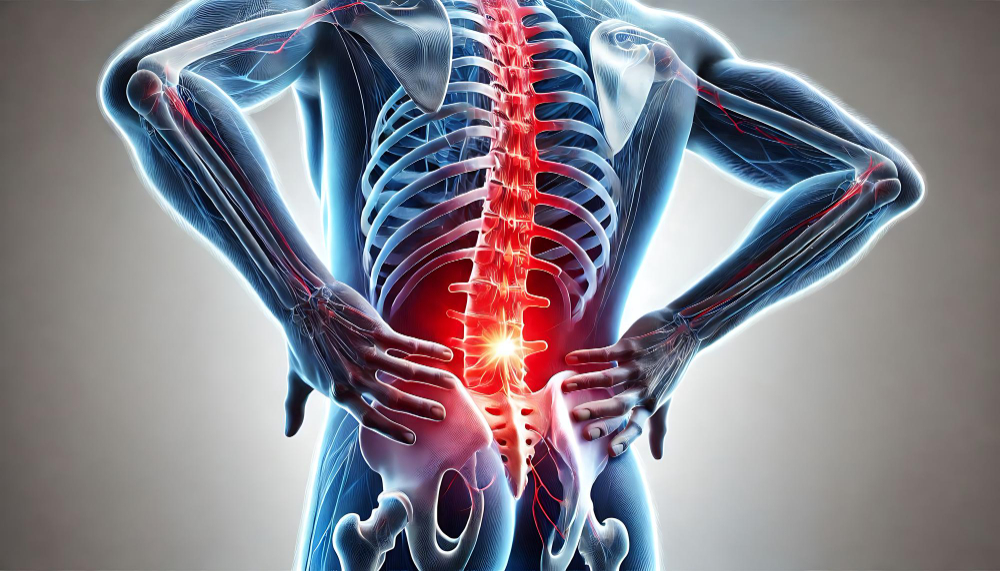
What is Sciatica?
Sciatica is a type of pain that starts in the lower back and travels down one leg. Often, this pain follows the path of the sciatic nerve. The sciatic nerve is the longest nerve in your body. It runs from your lower back through your hips and buttocks, then down each leg. Because of this, sciatica can cause discomfort in many areas. Many people look for sciatica pain relief because the pain can be severe. However, most cases improve with simple care and time.
Causes of Sciatica
There are several reasons why sciatica may develop. Usually, something presses on or irritates the sciatic nerve. For example, a slipped or herniated disc is a common cause. But other issues can also lead to sciatica. Understanding the cause can help guide treatment for sciatica.
- Herniated or slipped disc in the lower back
- Bone spurs on the spine
- Spinal stenosis (narrowing of the spinal canal)
- Injury to the lower back or spine
- Muscle spasms in the buttocks or back
- Rarely, tumors or infections near the nerve
Sometimes, pregnancy or being overweight can also increase the risk of sciatica.
Symptoms of Sciatica
Sciatica symptoms can vary from person to person. Still, the most common sign is pain that starts in the lower back and moves down one leg. The pain may feel sharp, burning, or like an electric shock. In some cases, it can be mild. But for others, it can be very strong and limit daily activities.
- Pain in the lower back, buttock, or leg
- Numbness or tingling in the leg or foot
- Weakness in the leg or foot
- Pain that gets worse when sitting, coughing, or sneezing
- Difficulty moving the leg or foot
Because these symptoms can affect daily life, many people seek sciatica pain relief quickly.
Diagnosis of Sciatica
Doctors use several steps to diagnose sciatica. First, they ask about your symptoms and medical history. Next, they do a physical exam. During the exam, you may be asked to walk or lift your leg. These tests help find the source of pain. Sometimes, imaging tests are needed. For example, an MRI or X-ray can show if a disc or bone is pressing on the nerve. However, not everyone needs these tests. Your doctor will decide based on your symptoms.
Treatment Options for Sciatica
Most people with sciatica get better with simple treatments. However, some may need more advanced care. Treatment for sciatica often starts with self-care and medicine. If pain continues, your doctor may suggest other options. Orthopedic care for sciatica can help you recover faster.
- Rest and avoid heavy lifting
- Apply ice or heat to the painful area
- Take over-the-counter pain relievers (like acetaminophen or ibuprofen)
- Gentle stretching and physical therapy
- Prescription medicines for severe pain
- Injections to reduce swelling around the nerve
- Surgery (only in rare, severe cases)
Because each person is different, your doctor will help choose the best treatment for you. In many cities, orthopedic clinics offer specialized care for sciatica.
Prevention and Lifestyle Tips
Although not all cases can be prevented, some steps may lower your risk of sciatica. For example, staying active and keeping a healthy weight can help. Good posture also protects your back. Here are some simple tips:
- Exercise regularly, focusing on your back and core muscles
- Use proper lifting techniques (bend your knees, not your back)
- Maintain a healthy weight
- Take breaks from sitting for long periods
- Choose supportive shoes
By following these tips, you can reduce your risk of sciatica and support your overall health.
When to See an Orthopedic Specialist
Most cases of sciatica improve with home care. However, you should see a doctor if:
- Pain is severe or lasts more than a week
- You have trouble controlling your bladder or bowels
- There is sudden weakness or numbness in your leg
- Pain gets worse despite treatment
In these cases, an orthopedic specialist can offer advanced care. Many orthopedic clinics in your area can help with sciatica pain relief and long-term management.
Patients from gurukul road, vastrapur, thaltej, shilaj, hebatpur, satellite, naranpura, Navrangpura, sola, ghatlodia, science city road, memnagar, bodakdev, bopal, satadhar, surdhara, drive in road, ranip, shastrinagar, bhyangdev visit this hospital regularly to consult Dr Hardik Shah, a senior orthopaedic and trauma surgeon and a well known joint replacement and arthroscopic Surgeon.
Get expert diagnosis and personalized treatment with Dr. Hardik Shah, senior Orthopaedic Surgeon.
Book your consultation at Shreeji Ortho & ENT Hospital, Gurukul Road,
Ahmedabad today and walk pain-free.
Shreeji orthopaedic & ENT Hospital, 2nd floor, Veemurti Complex, Above Asharfi Kulfi, Above Ekta Medical store, Opp. Oxford Tower, Gurukul Road, Ahmedabad -380052
Consulting hours –
Morning 11-1,
Evening 6-8
24 Hours open for emergency
Dr. Hardik Shah, MS ( Ortho Surgeon )
Mob. 9825060127